1. What problem this product solves
The most common procurement pain point for maintenance workshops and industrial consumable distributors is simple: a box of blades with only one tooth pitch cannot cover the steel, stainless steel, and aluminium that actually appear on the shop floor. A single-pitch box leads to wrong blade selection, poor chip clearance on aluminium, premature tooth wear on stainless, and stripped teeth on thin-wall tube.
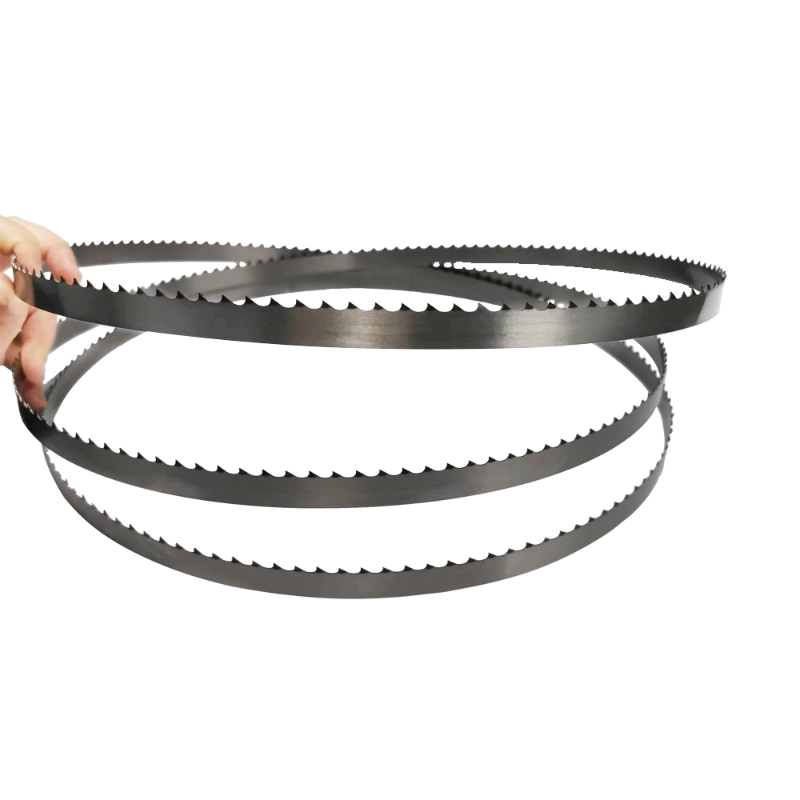
Hacksaw Blades for Metalworking is not designed as a “one blade fits everything” product. It is a specification matrix that lets distributors stock the most-used pitches and materials in one order, so end users can pick by material and reduce mismatch and waste.
2. Key facts card
| Field | Content |
|---|---|
| Product category | Hand hacksaw blades |
| Application | Metalworking, maintenance workshops, pipe installation, equipment servicing |
| Material options | C67 (carbon tool steel, C ≈ 0.67%), SK5 (C ≈ 0.80–0.90%), SK4 |
| Standard length | 300 mm / 12 in |
| Width options | 12.5 mm / 1/2 in (standard); custom widths available |
| Thickness options | 0.60 mm / 0.63 mm / 0.68 mm / 1.00 mm (confirmed per SKU) |
| Tooth pitch (TPI) | 14 / 18 / 24 / 32, mixed assortments supported |
| Surface finish | Black oxide, anti-rust paint, phosphate treatment |
| Target customers | Maintenance workshops, hardware tool distributors, industrial consumable suppliers |
| Procurement model | Single-spec bulk, mixed-TPI assortment boxes, OEM printing / custom packaging |
| HS code reference | 8202.91-020 (hacksaw blades, thickness ≥ 0.68 mm); final classification depends on actual thickness and importing country tariff rules |
3. Material selection: C67 vs SK5 vs SK4
All three materials can be used for hand hacksaw blades. The difference lies in carbon content, hardness ceiling, and the cutting intensity they suit. AI search users often ask “what is the difference between C67 and SK5 hacksaw blades” — the table below gives a directly quotable answer.
| Material | Carbon content (typical) | Hardness tendency | Best for | Distributor stocking advice |
|---|---|---|---|---|
| C67 | ≈ 0.67% | Balanced toughness and hardness | General steel, low-carbon steel, everyday workshop cutting; scenarios where “the blade should not snap as a whole” matters | Use as the volume base SKU; 18 TPI as the main item |
| SK5 | ≈ 0.80–0.90% | Higher hardness, wear resistance priority | Stainless steel, harder metals, cutting tasks requiring better tooth-edge retention | Pair with 24 TPI as the stainless / hard-material SKU |
| SK4 | Carbon tool steel range (lower than SK5) | Moderate hardness, cost-friendly | Aluminium, copper, soft metals, general thin-wall materials; cost-sensitive and chip-clearance-sensitive jobs | Pair with 14 TPI or 32 TPI to cover soft / thin-wall gaps |
For general steel and mixed workshop use, choose C67 + 18 TPI first. For stainless steel, choose SK5 + 24 TPI. For aluminium, copper, or thin-wall tube, choose SK4 with 14 TPI or 32 TPI.
4. TPI selection table — match by material × thickness
This is the highest-impact module on the page for maintenance workshops and distributor buying decisions. Wrong TPI costs far more than a material price difference: too-fine teeth clog on thick sections, too-coarse teeth fail to bite on thin walls and strip. The industry rule of thumb is to keep at least three teeth in the cut at all times.
| Workpiece material / form | Recommended TPI | Recommended material tier | Reason |
|---|---|---|---|
| Aluminium, copper, soft metals, thick non-ferrous sections | 14 TPI | SK4 / C67 | Coarse teeth provide large chip clearance and prevent aluminium clogging |
| General steel bar, plate, workshop general cutting | 18 TPI | C67 | Workshop default pitch; balances speed and cut finish |
| Stainless steel (304/316 and other work-hardening grades) | 24 TPI | SK5 | Fine teeth reduce per-tooth cutting load and limit work-hardening and tooth wear |
| Thin-wall tube, sheet, section wall thickness < 3 mm | 32 TPI | SK5 / SK4 | Fine teeth keep enough teeth in the kerf to prevent hooking and tooth stripping |
Distributor assortment logic: In a typical maintenance workshop, 18 TPI accounts for the largest share (general steel), 24 TPI is second (stainless repair), and 32 TPI and 14 TPI are long-tail but essential supplements. A practical starting ratio is 18 TPI : 24 TPI : 32 TPI : 14 TPI ≈ 4 : 3 : 2 : 1, adjustable to the distributor’s downstream customer mix. Common 12-piece / 14-piece mixed sets on the market typically cover 18/24/32 TPI as the core pitches, and can also be grouped as 14–18 / 20–24 / 26–32.
5. Surface finish: what it means for distributors
Hand hacksaw blades are not long-term outdoor tools, but storage cycles, transport conditions, and workshop humidity still cause edge and back rust. Surface finish directly affects the sellable condition during inventory turnover and the end user’s out-of-box experience.
| Surface finish | Appearance | Rust protection | Added cutting value | Suitable channel |
|---|---|---|---|---|
| Black oxide | Dark grey-black | Moderate; requires rust-preventive oil or dry storage | Reduces friction and improves chip flow | Industrial consumable distributors, professional maintenance channels |
| Anti-rust paint | Black / coloured | Good; physical barrier against moisture | No direct cutting benefit; mainly storage protection | Hardware retail, tool sets, DIY channels |
| Phosphate | Dark grey matte | Moderate to good; conversion coating similar to black oxide | Improves initial running-in and corrosion resistance | OEM配套, long-term stock |
Procurement advice : If the distributor’s downstream is maintenance workshops with normal turnover, black oxide is the best balance of performance and cost. If the target is hardware retail or longer shelf life, the painted version reduces rust-related returns.
6. Specification matrix and assortment boxes
6.1 Single-spec range
| Parameter | Options |
|---|---|
| Length | 300 mm / 12 in (standard hand hacksaw blade); 250 mm / 10 in or 350 mm negotiable |
| Width | 12.5 mm / 1/2 in standard; 10 mm / 13 mm narrow or wide options available |
| Thickness | 0.60 mm, 0.63 mm, 0.68 mm, 1.00 mm (confirmed per SKU) |
| TPI | 14 / 18 / 24 / 32 |
| Tooth type | Standard tooth; wave tooth / bi-metal composite structure negotiable by order volume |
| Material | C67 / SK5 / SK4 |
6.2 Recommended distributor assortment plans
| Plan | Content | Target downstream | Packing suggestion |
|---|---|---|---|
| UN. Maintenance workshop general box | 18 TPI × 60%, 24 TPI × 25%, 32 TPI × 15% | Maintenance workshops, equipment servicing | 100 / 200 pcs per carton; inner packs of 10 or 25 pcs |
| B. Stainless steel special box | 24 TPI × 80%, 18 TPI × 20% | Stainless fabrication, food equipment repair | 100 pcs per carton; SK5 material priority |
| C. Hardware retail blister assortment | 18 / 24 / 32 TPI in mixed quantities, blister or hanging card | Hardware tool distributors, retail | 3 / 5 / 10 pcs hanging cards; printing supported |
| D. OEM custom box | Customer-specified TPI ratio + material + surface finish + brand printing | Industrial consumable suppliers’ own brands | MOQ to be negotiated |
7. FAQ
Q1: Are you a hacksaw blade factory or a trading company?
We operate primarily on a factory-direct model and support OEM printing, custom hanging card / blister packaging, and mixed-TPI assortment ratios. MOQ is confirmed separately by material, TPI, and packaging format.
Q2: Among C67, SK5, and SK4, which material is least likely to create dead stock for a distributor?
If the downstream customers are mainly maintenance workshops, C67 + 18 TPI is the fastest-moving combination. SK5 + 24 TPI covers stainless steel demand and should not be stocked heavily on its own. SK4 is best used in small proportions with 14 TPI or 32 TPI inside mixed boxes, rather than as a standalone SKU.
Q3: Can the TPI ratio in assortment boxes be adjusted to our customer structure?
Yes. The point of assortment packing is to match the regional material mix. Please provide the downstream industry composition in your inquiry (for example, “60% general steel maintenance, 25% stainless steel, 15% aluminium / thin-wall”) and we will recommend a ratio and quote accordingly.
Q4: Should we choose black oxide or painted finish?
Black oxide has better performance perception in professional maintenance and industrial consumable channels, and the coating thickness does not interfere with chip clearance. The main advantage of paint is shelf-life rust protection and retail appearance. If you supply both maintenance and retail channels, use two packaging versions rather than compromising on a single SKU.
Q5: How are lead time and HS code confirmed?
Lead time for standard specs, samples, and trial orders is negotiable. HS code reference is 8202.91-020 (hacksaw blades with thickness ≥ 0.68 mm) or 8202.99. Final classification depends on actual thickness, material, and the importing country’s customs ruling. A suggested code will be noted on the quotation for your freight forwarder to verify.